


A pet’s immune system attacking its own blood is the result of a recognition failure: the system that is supposed to tell the body’s own cells apart from invaders stops drawing that line correctly and starts destroying healthy blood cells. When the targets are red blood cells, the result is immune-mediated hemolytic anemia (IMHA); when they are platelets, it is immune-mediated thrombocytopenia (ITP). Sometimes a specific cause sets this off, such as a tick-borne infection, a drug reaction, or a hidden cancer, and sometimes no cause is ever found. That single distinction, whether a trigger exists, shapes how these diseases are treated and how likely they are to come back.
At Livingston Veterinary Hospital, we pair in-house blood testing and ultrasound with the ability to consult internal medicine specialists when a case is complicated, so you get answers here rather than a drive across the state. If your dog or cat has been unusually lethargic, pale, or off their food, please call us right away.
The Short Version of Why It Happens
- It starts with mistaken identity: the immune system tags healthy blood cells as foreign and destroys them.
- The big fork is primary versus secondary: primary has no found cause; secondary is set off by a specific trigger.
- Triggers fall into a few groups: infections, cancer, toxins, and certain drugs are the usual suspects.
- Finding the cause changes everything: a missed trigger is the most common reason a treated pet relapses.
What Does It Mean for the Immune System to Attack the Blood?
The immune system tells friend from foe using markers on the surface of every cell that label it as belonging to the body. Immune-mediated diseases begin when that labeling system misreads, and healthy cells get flagged for destruction. In IMHA the misread cells are red blood cells, and in ITP they are platelets, but the underlying error is the same.
Once that line blurs, the body destroys the very cells it depends on faster than it can rebuild them. With red cells, the result is anemia and a slow oxygen shortage; with platelets, it is a loss of the clotting the body needs to seal small leaks. The damage is real either way, which is why the more useful question is not how the mistake started but whether anything specific is driving it.
Primary or Secondary: Which Kind Is It?
The first thing we want to know is whether the disease has a cause we can find. Primary IMHA and ITP means the workup turns up no underlying trigger, so treatment aims squarely at quieting the overactive immune system. Secondary disease means a specific culprit is driving the attack, and that culprit has to be treated alongside the immune response or the problem tends to return.
| Feature | Primary disease | Secondary disease |
| What is behind it | No cause found | A specific trigger |
| Likely drivers | Genetics and immune dysregulation | Infection, cancer, toxin, or drug |
| Treatment focus | Calm the immune attack | Calm the attack and treat the trigger |
| If the trigger is missed | Does not apply | A high chance of relapse |
This is why a good workup keeps digging after the low blood count is confirmed. Stopping at the diagnosis without asking why risks treating only half the problem.
What Kinds of Triggers Set Off Secondary Disease?
Secondary cases trace back to something specific, and the search runs through a handful of recognizable categories. Each one points treatment in a different direction once it is found.
- Infections: including leptospirosis and, in cats, hemotropic mycoplasma that parasitizes red cells directly.
- Cancer: especially lymphoma and hemangiosarcoma, which can drive the immune system to attack the blood.
- Viruses: such as the feline leukemia virus in cats and the distemper virus.
- Parasites: including heartworm disease, which can provoke secondary platelet destruction.
- Toxins: such as zinc toxicosis from a swallowed coin or piece of hardware.
- Drugs and envenomation: including some medications and snake bites, worth keeping in mind for dogs who roam Montana’s backcountry.
Why Are Tick-Borne Infections Such a Common Trigger?
Tick-borne disease earns its own mention because it is one of the most frequent triggers and one of the easiest to overlook, especially for the rural and outdoor dogs common around Livingston. Several of these infections attack the blood directly or provoke the immune system into doing it.
- Lyme disease: can set off secondary immune-mediated blood disease.
- Rocky Mountain spotted fever: drives severe platelet loss and vessel inflammation, and it has been documented in Montana.
- Ehrlichia and anaplasma: damage platelets directly.
- Babesia: infects and destroys red cells, and Babesia gibsoni can spread dog-to-dog through bite wounds rather than only through ticks.
How Does a Trigger Actually Confuse the Immune System?
In secondary disease, the trigger does not destroy the blood by itself; it tricks the immune system into doing the damage. The usual explanation is molecular mimicry: a piece of an infection, or a drug bound to a cell, looks close enough to the body’s own markers that the immune response aimed at the invader spills over onto healthy blood cells. Genetics load the dice too, which is part of why some breeds are affected far more than others, and why primary cases are presumed to come from an inherited tendency toward immune dysregulation meeting some unknown environmental nudge. In practice, this is why a drug history and an infection screen matter as much as the blood count itself.
Does the Cause Change How IMHA Shows Up?
The signs of IMHA look much the same whether the cause is found or not, because they come from the anemia rather than the trigger. Immune-mediated hemolytic anemia destroys red cells faster than the marrow can replace them, so the body is slowly starved of oxygen, and pets often look subtly off for days before a sharp decline. Watch for unusual tiredness, faster breathing at rest, fading appetite, and dark or orange urine. Pale or jaundiced gums are among the clearest clues, the yellow coming from pigment released as red cells break down. Breed predisposition is well documented in Cocker Spaniels, Poodles, and English Springer Spaniels, which is itself a hint at the genetic side of the cause.
Does the Cause Change How ITP Shows Up?
ITP also looks the same regardless of trigger, because its signs come from the loss of platelets. Immune-mediated thrombocytopenia leaves the blood unable to seal small leaks, so the clues are about bleeding rather than fatigue: pinpoint bruises on the belly or gums, larger bruises with no injury behind them, nosebleeds from nowhere, blood in the urine or stool, or a nail trim that bleeds far too long. Because some bleeding is internal, a pet can be in serious trouble while looking only mildly off.
What Makes IMHA Especially Dangerous?
Beyond the anemia, IMHA carries a hidden hazard that has nothing to do with its cause. IMHA sends the clotting system into overdrive even as red cells are destroyed, throwing clots where they do not belong, and these blood clotting complications are a leading cause of death. A few signs mean act now:
- Sudden hard breathing: labored breathing at rest, especially with gums turning blue or gray.
- Sudden weakness or a collapse: trouble using one or more limbs.
- A swollen or painful belly: coming on quickly.
- Deep lethargy: particularly combined with appetite loss and cool extremities.
What If Both Are Triggered at Once?
Sometimes the same process attacks red cells and platelets together, a combination called Evans syndrome. Concurrent immune-mediated conditions leave a pet facing both the anemia of IMHA and the bleeding risk of ITP at once, so treatment has to cover both, monitoring is closer, and the outlook is more guarded than either condition alone.
How Do We Find the Cause?
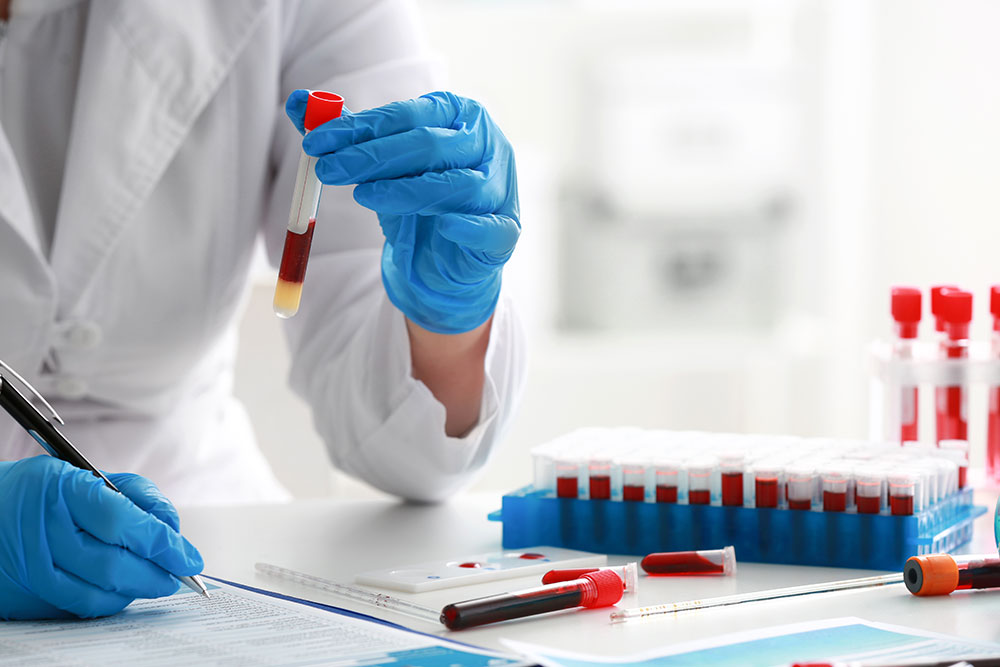
Pinning down whether a trigger exists is part of the same workup that confirms the disease. A complete blood count and smear from our in-house diagnostics show whether red cells or platelets have fallen, a Coombs test points to immune destruction, and a reticulocyte count shows whether the marrow is responding. From there, tick-borne screening, a chemistry panel, and imaging hunt for the secondary causes above. For complex cases we consult internal medicine specialists rather than sending you across the state to start over.
How Does Treatment Depend on the Cause?
Treatment always does two things, and the cause decides whether there is a third. Immune-mediated disease treatment starts by suppressing the immune attack, usually with corticosteroids and additional immunosuppressive drugs, while supporting the body as counts recover. Corticosteroids are the first-line choice because they work quickly, calming the immune attack within days, but the side effects of long-term high-dose steroids (increased thirst, increased urination, muscle loss, panting, and a higher infection risk) mean we typically add a second immunosuppressive drug like azathioprine, mycophenolate, or cyclosporine. That second drug takes longer to reach full effect, but it lets us taper the steroids down to a more comfortable dose once the counts are holding.
The supportive piece scales with how sick the patient is: IMHA patients typically get anti-clotting medication to address the paradoxical clotting risk that comes with the disease, severely anemic pets may need blood transfusions to buy time while the medications take effect, and the toughest cases can be referred for therapeutic plasma exchange or blood purification that physically removes the antibodies attacking the cells.
When the workup finds a trigger, treating that trigger is the third track and often the one that prevents a relapse. A few common scenarios show what the third track looks like in practice:
| Trigger found | What treating it adds to the plan |
| Tick-borne infection (ehrlichia, anaplasma, Rocky Mountain spotted fever) | A course of doxycycline alongside the immunosuppressive treatment |
| Drug-induced reaction | Stopping the medication that set it off, and avoiding it permanently going forward |
| Cancer-driven case (lymphoma, hemangiosarcoma) | Addressing the cancer itself, since the immune disease usually responds best when both are treated together |
| Toxin exposure (zinc from coins or hardware) | Removing the source and treating the toxicity directly |
| Vaccine or recent illness as a suspected trigger | Avoiding the suspected trigger going forward; no immediate action beyond the immune treatment |
Monitoring continues for months after the initial response, with repeat bloodwork at gradually lengthening intervals to confirm the counts hold as medications are tapered, since relapse is a real possibility and catching it early is far easier than starting from scratch.
Frequently Asked Questions About the Causes of Immune Blood Disease
Why Does the Immune System Turn on the Body’s Own Cells?
Often we cannot say for certain. In primary disease no trigger is found, and the cause is presumed to be an inherited tendency toward immune dysregulation meeting some environmental factor. In secondary disease, a specific trigger provokes the attack, sometimes through molecular mimicry, where the trigger resembles the body’s own cells closely enough to misdirect the response.
If No Cause Is Found, Did We Miss Something?
Not necessarily. A large share of canine cases are genuinely primary, with no trigger to find even after a thorough search. The workup still looks hard for a secondary cause because finding one changes treatment, but coming up empty is a real and common result rather than a sign the search fell short.
Can My Pet Recover?
Many do, though recovery is rarely quick. Most pets need months of immunosuppressive medication, tapered slowly with regular bloodwork. Some relapse, often when a trigger was missed, and a few never fully respond, but an early diagnosis and steady follow-up meaningfully improve the odds.
When Worry Becomes Action
The autoimmune mechanism is hard to wrap your head around because it runs against how we usually picture the immune system. The reassuring part is that you do not need to understand the cause to help your pet; you need to notice the early signs and move, because fast diagnosis is what keeps the most options open, whether or not a trigger ever turns up.
If your pet is showing any of the warning signs here, request an appointment for same-day evaluation or reach out to us to talk through what you are seeing.




Leave A Comment