

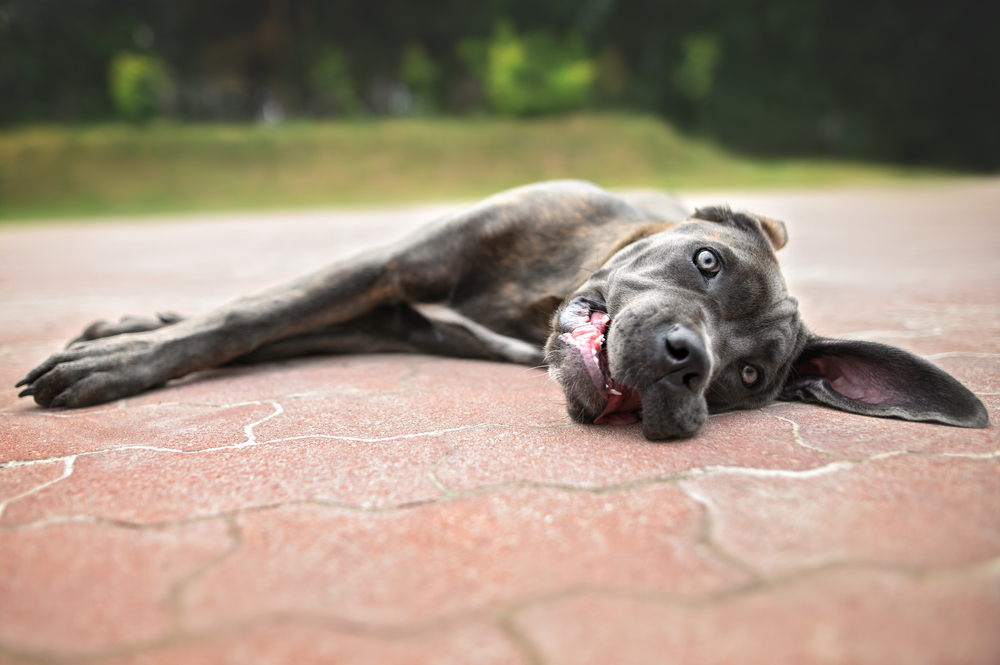
Heat stroke in a dog or cat on a hot Montana day looks like a pet whose cooling system has quit working in real time. Watch for gums that flush brick red or turn a muddy purple, thick ropy drool, a stumbling back end, vomiting, or a pet who flops down on the trail and refuses to get back up. Healthy dogs shed heat through panting and cats through grooming and shade, and on most afternoons those systems hold. They stop holding once core temperature climbs past 104 degrees, and damage to the kidneys, liver, and clotting factors can start inside ten to fifteen minutes. Families who catch that early shift and begin cooling on the drive in tend to see the best outcomes.
At Livingston Veterinary Hospital, summer brings us a steady run of trail dogs and barn cats around Livingston, Montana, and our in-house diagnostics are set up to catch the organ stress that follows a serious overheating episode. Bloodwork, ultrasound, and radiographs happen under one roof, so your dog or cat is not waiting on an outside referral while still recovering. If your pet is heading that direction right now, or you want to talk through summer safety before your next float on the Yellowstone or hike up Pine Creek, give us a call and we will take it from there.
The Fast Version Every Pet Family Should Know
- Heat stroke is a true emergency that can start damaging organs within ten to fifteen minutes once a pet’s core temperature climbs above 104 degrees.
- The best home response is calm, active cooling with cool tap water and airflow on the paws, belly, and armpits, never an ice bath, followed by an immediate call to us.
- A pet who seems to bounce back once they cool down can still develop kidney, liver, heart, or clotting problems over the next one to three days, so veterinary monitoring matters even when they look fine.
- Most heat emergencies are preventable with smart timing, steady hydration, shade, and never leaving a pet in a parked car.
Your Pet Is Overheating Right Now: Which Steps Come First?
The first minutes matter more than almost anything the hospital does later, so stay calm and start cooling. Move your pet out of the sun into shade or an air-conditioned room, offer small sips of cool water if they are alert enough to drink, and begin lowering their temperature while someone calls ahead.
The first move at home is active cooling with cool tap water and airflow on the paws, belly, and armpits, not ice water and not a soaked towel left draped over the body. Here is a simple order to follow:
- Get to shade or AC: Stop the activity immediately and move somewhere cooler.
- Wet the right spots: Run cool or tepid water over the belly, armpits, groin, and paws, where blood vessels sit close to the surface.
- Add airflow: Point a fan at the wet fur or crack the car windows and run the AC on the way in; moving air is what pulls heat away.
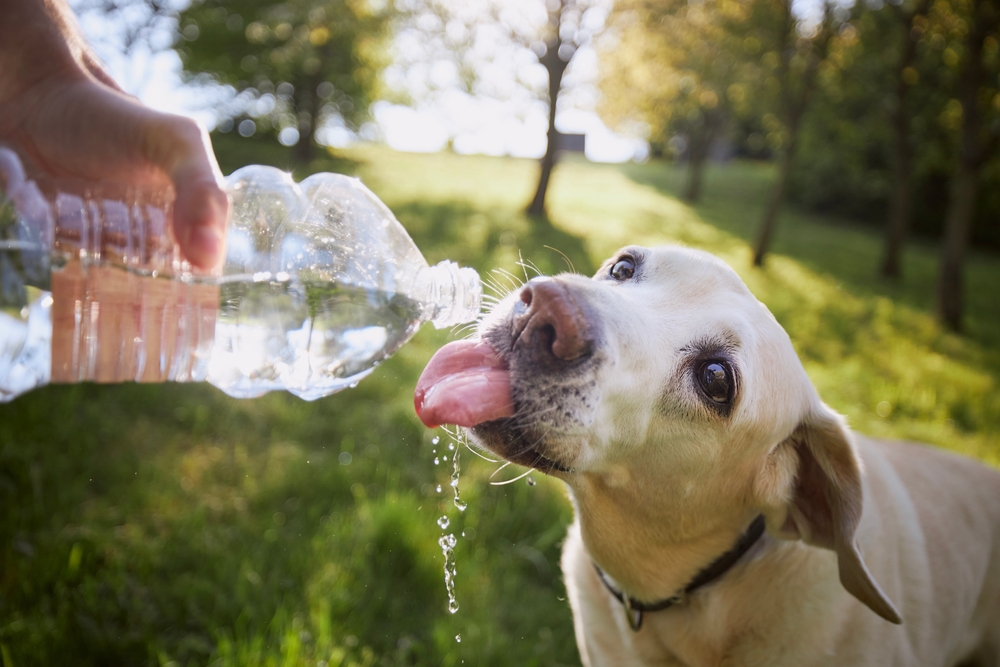
- Offer small sips: A little cool water is fine, but never force it or pour it down the throat.
- Don’t overcool: Once your pet has cooled down, stop and come in. Over-chilling can lead to hypothermia.
- No ice or towels: Skip ice baths and ice packs, and do not leave a heavy wet towel sitting on top of your pet, which traps heat instead of releasing it.
Then call us. Our team handles emergency and urgent care during our regular hours, and cooling on the drive in gives your pet the best possible head start. If it is after hours, call the main office number to reach the veterinarian on call, and if none is available you will be directed to a 24/7 facility.
What Happens the Moment a Heat Stroke Pet Reaches Our Hospital?
Hospital care picks up where home first aid leaves off and adds what your pet cannot get in the driveway. Once your pet arrives, heatstroke treatment works in three layers, controlled cooling, intravenous fluids to restore blood volume, and close management of complications, and the first 24 hours carry the highest risk.
Here is how the three fit together:
- Controlled cooling: We bring the temperature down at a safe, steady rate and stop before it drops too low, since overcooling causes its own problems.
- Volume replacement: IV fluids rebuild circulating blood, support blood pressure, and help protect the kidneys, which are especially vulnerable after a heat event.
- Managing complications: Bloodwork, ultrasound, and radiographs let us watch the organs and clotting in real time, so we can catch trouble as it develops rather than after.
Because those tests all run under one roof here, we can track how your pet’s body is responding without shipping samples out and waiting. If your pet is showing severe signs right now, call us right away so we can talk you through triage and be ready the moment you arrive.
A pet who perks up after cooling is not out of the woods, because delayed organ damage after a heat event can strike the kidneys, liver, heart, and gut over the following 24 to 72 hours. Severe heat injury can also spiral into a body-wide inflammatory response, dehydration, and failing organ function even when the surface signs have calmed. One of the most feared delayed complications is abnormal blood clotting, where the body burns through the factors it needs to form clots and starts to bleed internally, which is exactly why monitoring matters even when a pet seems stable. That window is why hospitalization and in-clinic observation can be so important after a serious overheating episode, even for a pet who walked back in looking bright.
Reading the Warning Signs: Is This Heat Stroke or Just a Hot Pet?
You can spot heat stroke by watching how the signs escalate. The faster you recognize the shift, the sooner cooling can start, and that early start is what saves lives. Heavy panting and thick drool are the early tells, while brick-red or bluish gums, wobbliness, vomiting, and collapse signal a true emergency. Cats hide it better than dogs, so open-mouth breathing in a cat is always a red flag worth acting on right away.
| Stage | What you might see |
| Early | Excessive panting, restlessness, seeking cool spots, warm to the touch |
| Moderate | Thick or ropy drool, bright red gums, weakness, wobbling, glazed look |
| Severe | Purple or pale gums, vomiting or diarrhea, staggering, collapse, seizures, unresponsiveness |
If your pet is anywhere past the early column, treat it as an emergency. Do not wait to see if they shake it off.
The Biology Behind It: What Puts Some Pets at Greater Risk?
Flat-faced dogs and cats like Bulldogs, Pugs, and Persians overheat first because they move far less air with every pant, and thick or dark coats, young or senior age, extra weight, and a history of heart, breathing, or heat problems all raise the risk further. A few things about how pets cool themselves explain why some start the day already behind.
Dogs and cats overheat faster than people because they cannot sweat the way we do. Instead of cooling their whole body through skin, dogs rely almost entirely on panting, and cats add grooming and seeking shade, with only a little sweat coming through their paw pads. When the air is already hot, those systems fall behind fast, and body temperature climbs before your pet ever looks like they are struggling.
For short-nosed breeds, brachycephalic thermoregulation gets even harder when a pet is carrying extra weight. Because the mix of risks is different for every pet, the right heat plan is individual. If your dog is a heavy-coated senior or a flat-faced breed, our team can walk you through a personalized heat safety plan so summer looks a little safer.
How Can You Stay Ahead of the Heat with Timing, Water, and the Parked-Car Rule?
Prevention comes down to timing, hydration, and reading your pet before they hit their limit. Most heat emergencies are avoidable when families plan around the heat instead of pushing through it, and the tools are simple ones you already have at home.
Good hot-weather hydration and cooling aids come down to portable water on every outing, a chilled mat or damp towel to lie on, real shade, and rest breaks taken before your pet is already panting hard. The same in-house bloodwork and imaging that make up our diagnostics and early detection can also flag the heart or breathing issues that leave some pets less able to handle heat, which is worth knowing before summer, not during a crisis.
When it comes to getting out and moving, most of preventing heatstroke on hot days is timing, walking in the early morning or after sunset, dialing back the intensity, and checking pavement with your hand before it burns sensitive paws. If the back of your hand cannot rest on the sidewalk for seven seconds, it is too hot for paws. Watch for hard panting, lagging behind, or wanting to lie down, and cut the outing short when you see it.
One rule has no exceptions. A parked car can climb past 120 degrees within 20 minutes on an 85-degree day, and hot vehicles take pets’ lives every summer even with the windows cracked. Leaving them open a few inches does almost nothing to slow that climb, and heat stress can set in even on a mild afternoon. The point is simpler than any weather forecast: leave your pet home where it is cool. If your pet was shut in a hot car, reach out for triage guidance immediately so we can tell you what to watch for.
Barn Cats and Couch Companions: Cooling the Pets Who Never Hit the Trail
Cats and homebound pets need heat planning too, even though they never hit the trail. Cats who live outside depend on you for water and shade they can count on, and indoor pets can overheat in a stuffy house or wear themselves out with too much play on a hot day.
Outdoor cat summer safety comes down to several shaded water bowls refreshed often, a ventilated shelter or safe enclosure, and a shady retreat your cat can slip into during the hottest hours. Top those bowls up a couple of times a day, since warm, stale water gets ignored, and a supervised screened porch or catio lets a barn cat cool off without roaming into full sun.
Indoors, the goal is a cool, comfortable space plus quiet things to do so pets are not bored into overexertion. Run the AC or fans, leave access to cool tile or a shaded spot, and keep the hard play for cooler hours. When it is too hot to be outside, low-effort indoor enrichment like food puzzles and scent games keeps a bored pet busy without the running around that drives body temperature back up. You can build homemade puzzle feeders and frozen treats from things already in the kitchen, giving pets something cool and interesting to work on while they wait out the afternoon heat. A broth cube or a stuffed toy kept in the freezer buys you a calm, cool stretch of the day.
The Heat Stroke Questions We Answer Most
How fast can heat stroke actually happen?
Heat stroke can take hold faster than most families expect. Organ damage can begin within ten to fifteen minutes once core temperature passes 104 degrees, and a pet can go from panting to collapse in under half an hour. That is why quick action matters so much. In a hot car or during hard exercise on a still afternoon, there often is not a long warning window. If your pet looks like they are struggling, act immediately rather than waiting to see if it passes.
My dog cooled down and seems totally fine. Do I still need to come in?
A dog who cooled down and now seems fine should still be checked if the episode was more than mild. A pet who looks recovered can still develop kidney, liver, heart, or clotting problems over the next one to three days, and those complications are far easier to manage when caught early. A quick exam and bloodwork tell us whether the organs took a hit. When in doubt, call us and describe what happened, and we will help you decide if monitoring makes sense.
Is it true I should never use ice or cold water?
Ice-cold water and ice baths can actually work against you by tightening surface blood vessels and trapping heat in the core, and rapid overcooling causes its own dangers. Cool or tepid tap water on the belly, armpits, and paws, paired with a fan, cools safely and effectively. Skip the ice, skip the heavy soaked towel left on top of your pet, and focus on cool water plus moving air while you head in.
Your Partner in a Safe, Happy Montana Summer
Heat stroke is a genuine emergency, but it is also one of the most preventable ones we see. Recognizing the early signs, cooling right away, adjusting activity and hydration to the weather, and keeping the house comfortable turn most scary afternoons into non-events. Prevention and fast action truly save lives here.
If you want a plan tailored to your dog or cat, schedule a personalized summer safety plan with us. If something feels off after a hot day, reach out and we will take it from there.

Leave A Comment