
CCL Injuries in Dogs: Conservative Management vs. Surgical Options
When a veterinarian diagnoses a torn cranial cruciate ligament, the next question always involves surgery options. It’s a stressful decision, and the questions are valid. Does my dog actually need surgery for a cruciate ligament tear? What kind of surgery is best? TPLO and extracapsular repairs represent different philosophies, each with distinct recovery timelines, costs, and outcomes. The decision depends on dog size, age, activity level, and whether both knees may eventually need surgery. Understanding these differences helps families make choices aligned with their dog’s needs and their own circumstances.
Livingston Veterinary Hospital in Montana approaches CCL repairs with modern surgical techniques and genuine care for what families can manage. We help owners understand when TPLO offers advantages for active, larger dogs versus when extracapsular techniques suit smaller or less active patients. We also support recovery through Class IV Laser Therapy, pain management, and holistic options like chiropractic and acupuncture care to help dogs heal comfortably. Request an appointment to discuss CCL repair options and determine the best approach for your dog.
What Happens When Your Dog Tears a Cranial Cruciate Ligament?
Seeing your dog suddenly favor a back leg or hesitate to jump can be alarming. These changes often mean more than a simple strain. A torn cranial cruciate ligament (CCL) makes the knee unstable, causing pain with every step.
The CCL helps keep the lower leg bone from sliding forward. When it tears, even partially, the knee wobbles and hurts during normal activities like walking, climbing stairs, or getting up. Recognizing these signs early can prevent more damage and guide timely care.
What Causes CCL Injuries in Dogs?
Most CCL injuries develop gradually, then “finish” with a triggering moment. The ligament weakens over time from wear-and-tear, genetics, or anatomy, and a quick pivot, awkward landing, or slip can cause the tear. Extra weight adds stress to the knee with every movement.
Common contributors include:
- Quick twisting during play, especially on slippery or uneven surfaces
- Breed-related anatomy in dogs like Labs, Rottweilers, and Newfoundlands
- Excess body weight that strains knee joints
- Sporadic “weekend warrior” activity without conditioning
Montana’s outdoor lifestyle is great for health but can expose dogs to higher risks for ligament tears. Our team helps owners balance activity with joint protection, especially for predisposed breeds or dogs carrying extra weight. Canine cruciate ligament injury often involves multiple risk factors that develop over time.
How Do You Know If Your Dog Has a Torn CCL?
CCL tears rarely come with dramatic yelps or complete refusal to use the leg. More often, they show up as gradual stiffness, limping, or a toe-touch gait that worsens after activity.
Watch for:
- Limping that increases after play or walks
- Reluctance to bear full weight on one hind leg
- Swelling around the knee
- Trouble rising from rest or jumping into the car
- Less interest in favorite activities
Many dogs eventually injure both knees, though not always at the same time. Dogs may show limping for various reasons, so schedule an exam early to protect other joints. Our comprehensive approach to veterinary care includes looking for subtle signs of illness or pain that help catch issues before they progress.
How Do Veterinarians Confirm a CCL Tear?
Diagnosis combines a hands-on orthopedic exam with imaging. Your vet checks knee stability with gentle tests that look for abnormal movement, sometimes under mild sedation to reduce muscle guarding.
Typical steps include:
- Palpation to assess stability, swelling, and pain
- X-rays to review bone alignment and arthritis changes
- Advanced imaging like MRI if soft tissues need a closer look
X-ray diagnostic imaging doesn’t show the ligament itself but reveals signs of long-standing instability. Small animal MRI evaluates deeper tissues like the meniscus and cartilage when needed. We provide thorough orthopedic evaluations and help families understand the findings before deciding on treatment. For complex cases, we consult with orthopedic specialists in Bozeman, Billings, Helena, Colorado State University, and Washington State University to ensure your dog receives the best possible care.
What Surgical Options Restore Knee Stability?
Two primary surgical options address CCL tears: TPLO and extracapsular (lateral suture) repairs. The right choice depends on your dog’s size, activity level, and lifestyle.
TPLO changes the angle of the shin bone to control forward slide, creating mechanical stability. TPLO surgery often suits active dogs over 50 pounds who need strong, long-term support for running and jumping. Recovery typically includes strict rest and gradual exercise over 8–12 weeks.
Extracapsular repair uses a strong suture outside the joint to stabilize the knee while scar tissue develops. It’s appropriate for many smaller dogs (often under ~40 pounds) or older, less active dogs. Recovery can range 8–16 weeks depending on healing and activity goals.
Consider:
- TPLO for larger, athletic dogs with high activity needs
- Lateral suture for smaller or senior dogs with moderate activity
- Recovery timelines that vary by procedure and individual healing
- Costs based on surgical complexity and post-op care
We perform all types of orthopedic surgeries in our aseptic surgery suite with advanced monitoring including pulse oximetry, EKG, respiratory, and blood pressure monitoring. If we cannot perform the surgery ourselves, we’ll refer you to our trusted partners who perform more advanced orthopedic repairs. We’ll explain which option aligns with your dog’s needs and your family’s routine, and we offer ScratchPay and Care Credit financing options to make care accessible.
What Does Recovery Look Like After CCL Surgery?
Outcomes depend heavily on post-op care. Rehab protects the repair while slowly rebuilding strength and motion. Expect strict rest at first, with short leash walks that increase gradually. Simple range-of-motion work often starts early, adding controlled exercises as healing progresses.
Helpful rehab tools:
- Guided exercises to strengthen supporting muscles safely
- Hydrotherapy to allow low-impact movement
- Therapeutic laser to ease inflammation and promote healing
Rehabilitation after TPLO follows staged recovery protocols, and various rehabilitation therapies address pain, strength, and flexibility. At Livingston Veterinary Hospital, our Class IV Laser Therapy reduces inflammation and promotes tissue healing for musculoskeletal injuries, while chiropractic and acupuncture care offer non-invasive support during recovery. We provide written “go-home” instructions and follow-up exams to monitor healing.
How Can You Support Healing at Home?
Home care is crucial. Dogs often feel better before tissues are fully healed and may try to run or jump. Protect the repair, keep weight in check, and provide mental enrichment to reduce frustration.
Key strategies:
- Follow warm-ups and cooldowns for dogs once cleared for activity
- Maintain lean body condition using portion control and low-calorie treats
- Add non-slip rugs to prevent slipping on hard floors
- Offer puzzle toys and training games that don’t require intense exercise to help tire out active dogs
Weight management and appropriate exercise support joints long-term, as shown in mobility guidelines. Even a few extra pounds can add stress to healing tissues. Our team provides nutritional counseling and exercise recommendations as part of our whole-istic 360° medicine approach, considering your dog’s age, body condition, lifestyle, and activity level.
Our team provides clear home instructions and welcomes questions at each step. We help you recognize normal healing versus concerns that need attention, easing anxiety during recovery.
Why Is Crate Rest So Important After Surgery?
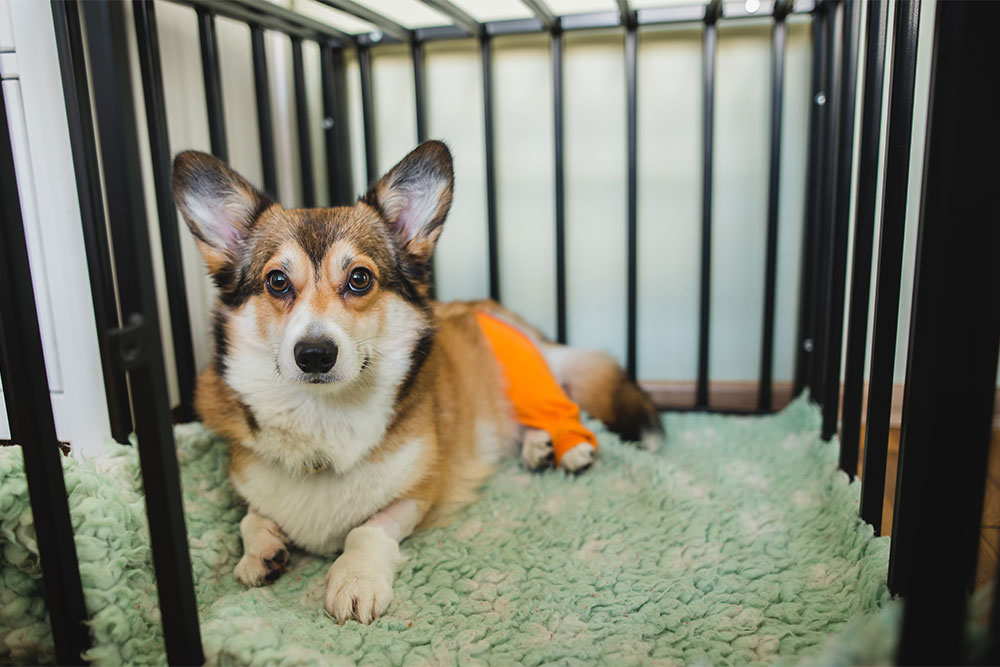
Crate rest can be emotionally tough, but it’s essential. The knee repair needs time to solidify, and early activity can cause setbacks like broken sutures or delayed healing.
Make crate rest manageable:
- Keep a calm routine with short, leashed bathroom breaks
- Use frozen Kongs or long-lasting chews for enrichment
- Practice relaxation training to help your dog settle
- Consider calming supplements or medications if anxiety rises
Practical strategies help you survive crate rest with your dog while protecting the repair and your bond. We’ll support you with behavioral guidance and troubleshooting throughout.
Conservative Management: Is Non-Surgical Care Ever Enough?
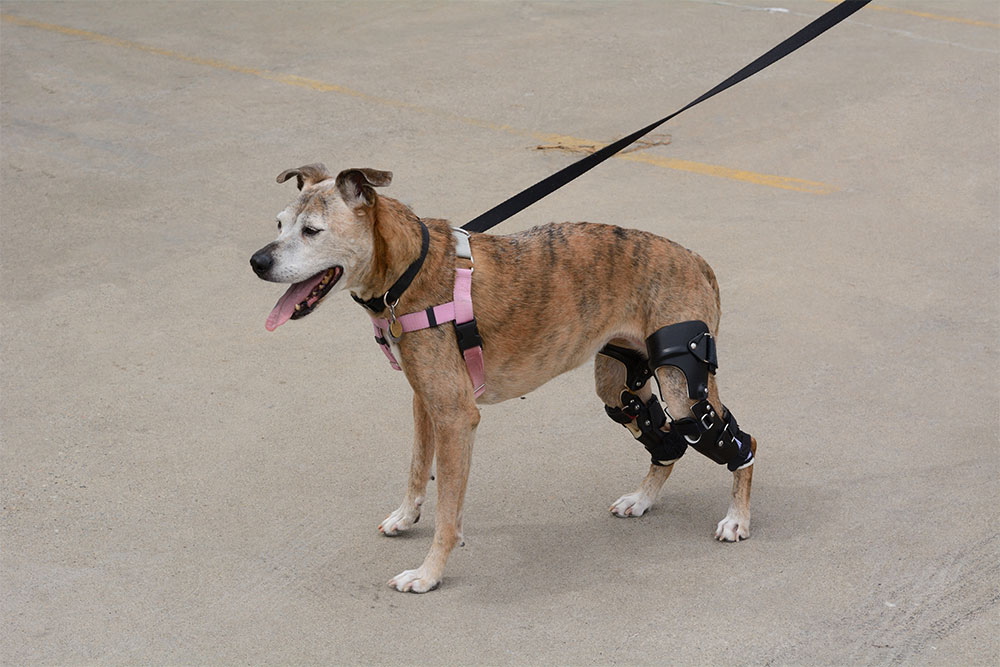
Some dogs aren’t ideal surgical candidates due to age, medical conditions, or family preferences. Conservative management focuses on pain control, controlled activity, weight management, and physical therapy. While it may not restore full stability, it can improve comfort and function for select dogs.
Conservative care may include:
- Strict rest during flare-ups and gradual return to gentle activity
- Anti-inflammatory and pain medications as prescribed
- Bracing for added support in certain cases
- Targeted exercises, laser therapy, and joint-friendly lifestyle changes
For active or larger dogs, surgery typically provides more reliable, long-term stability. Dogs who don’t have surgery to repair their ligaments, especially large dogs, will typically develop significant arthritis and long-term instability issues. We emphasize pain management for chronic conditions like arthritis, and can incorporate Class IV Laser Therapy to support conservative care when appropriate. We’ll discuss whether conservative care fits your dog’s health and your goals, and how to monitor progress.
Protecting Your Dog’s Joint Health Long-Term
CCL surgery addresses instability, but the knee may still develop arthritis over time. Good habits slow progression and keep dogs comfortable.
Focus on:
- Lean body weight to reduce joint stress
- Regular, moderate exercise to build muscle support
- Annual orthopedic checkups to catch changes early
- Activity tweaks like avoiding repetitive high-impact fetch and ramping up conditioning before big adventures
Most dogs return to hiking, swimming, and play after full recovery, with sensible precautions. Understanding options and committing to structured care leads to excellent outcomes for many dogs.
FAQs: Quick Answers for Pet Parents
Does every torn CCL need surgery?
Not always. Some small, sedentary dogs do well with conservative care, but most active or larger dogs benefit from surgery for better long-term stability.
Is TPLO always better than extracapsular repair?
It depends. TPLO often suits larger, athletic dogs. Extracapsular repair can be ideal for smaller or older dogs with moderate activity needs.
How long is recovery?
Most dogs take 8–12+ weeks before returning to normal routines, and longer before they’re cleared for intense exercise. Your vet will guide a step-by-step plan based on healing.
Will my dog injure the other knee?
Many dogs eventually develop CCL issues in both knees. Weight control, smart activity, and regular check-ins can help.
What if my dog won’t tolerate crate rest?
We can help with enrichment, calming strategies, and medication when needed. Practical tips help you manage crate rest successfully.
The Bottom Line and Next Steps
CCL injuries feel overwhelming, but clear guidance and a tailored plan make recovery manageable. Whether TPLO, extracapsular repair, or conservative care, we’ll match treatment to your dog’s size, lifestyle, and your family’s goals. Our team supports you with rehab, pain control, and long-term joint protection so your dog can get back to the activities you love.
Livingston Veterinary Hospital is here to help, guide, and be a partner in your pet’s care. Have questions about your dog’s knee or recovery plan? Contact us or schedule an appointment– we’ll walk you through options, ease worries, and build a plan that fits your dog and your life.