
As your dog or cat gets older, age is only one piece of deciding which health screenings will be most useful. A senior Labrador, Chihuahua, Maine Coon, and domestic shorthair may all reach this stage of life with very different health risks. Breed and size can make certain heart conditions, cancers, joint problems, and other diseases more likely, while species influences concerns such as kidney disease, thyroid disease, and diabetes. Lifestyle and medical history matter too. That is why senior screening usually starts with a foundation such as bloodwork and urinalysis, then becomes more individual from there. What makes sense for your pet can also change as they age, so the tests we recommend at one senior visit may look different a year or two later.
At Livingston Veterinary Hospital, we take a 360-degree view of senior health, considering your pet's age, breed, body condition, lifestyle, activity level, medical history, and any changes you have noticed at home. From routine laboratory testing to digital X-rays and ultrasound, our advanced diagnostics give us options to look more closely when your pet's individual risks or exam findings warrant it. We will explain what we recommend, why we think it is worthwhile, and work with you to decide what makes sense for your pet at this stage of life. If your dog or cat is due for senior screening, request an appointment and we will build their screening plan around the pet in front of us.
What Senior Screening Catches Early
- Senior screening is built around trends, so the first set of results from their younger years matters as much as every set that follows.
- Blood work, a urine sample, and a blood pressure reading pick up kidney, thyroid, liver, and circulation trouble months before a dog or cat looks sick.
- X-rays and ultrasound get added when the exam or the lab work raises a question that blood alone can't answer, or if your pet is at risk for certain conditions.
- Most of what screening finds in older pets is manageable, and the earlier we find it, the more options stay open.
What Does a Senior Screening Visit Include for Different Breeds and Ages?
Screening starts with a full hands-on exam, then adds tests that look where hands can't. Senior pet care recommendations pair twice-yearly exams with baseline blood work, urine testing, and blood pressure once a pet crosses into the senior years.
We compare today's weight against the last one, run hands along the spine and hips for muscle loss, feel the abdomen for anything that shouldn't be there, look at the eyes and mouth, and listen for a murmur or an off rhythm. A cat who has dropped half a pound, a dog with a new lump behind the elbow, and a comfortable nine-year-old with an unremarkable exam all leave with different diagnostic testing plans.
Breed moves both the start date and the test list. Large and giant breeds age fastest, so a Great Dane or a Bernese is a senior around six while a terrier may not be until nine or ten, and the screening calendar shifts to match. Breed also tells us where to look harder: Dobermans, Boxers, Cavaliers, and Maine Coons earn closer heart screening. Persians have higher risk of kidney disease, and Schnauzers lean toward pancreatitis and fat-handling trouble that shows up in the chemistry panel. Cocker Spaniels get glaucoma and auto-immune disorders, Golden Retrievers are prone to lymphoma, Rottweilers develop bone tumors, and German Shepherds are more at risk for pancreatic disorders and splenic tumors. Every pet’s workup is planned considering their risk factors.
Age reshapes the panel itself. A seven-year-old dog's visit may look like an adult exam plus baseline labs, while a fourteen-year-old cat's automatically includes a thyroid level and a blood pressure reading, because hyperthyroidism and hypertension become so common at that age that not checking is the gamble. The older the patient, the shorter the interval between visits and the deeper the workup.
Why Isn't One Exam a Year Enough for an Older Pet?
Once a dog or cat reaches the senior years, twelve months covers a lot of ground. A physical exam catches what can be seen and felt, while preventive testing picks up the internal changes that start months before anything looks wrong at home. One year in a human life is equivalent to four to six years in a pet’s life, so waiting a full year between visits is like your grandma waiting five years between doctor visits.
The second reason is the trend line. A kidney value sitting at the top of the normal range means one thing on its own, and something very different when the two panels before it sat at the bottom of the range. Nothing has crossed into abnormal yet, but the direction is visible, and that's usually the point where a diet change or a fluid plan does the most good. One snapshot can't show movement. A series of them can.
What Can Blood Work Catch Before Your Pet Seems Sick?
Blood work is how we take a look inside at how an organ is actually working. A senior panel can flag kidney strain, liver changes, anemia, hidden infection, and thyroid trouble while your dog or cat is still eating well and meeting you at the door, which is the window where treatment does the most good.
| Test | What it looks at | What it can catch |
| Complete blood count (CBC) | Red cells, white cells, platelets | Anemia, infection, inflammation, clues to some cancers |
| Chemistry panel | Kidney and liver values, protein, electrolytes, blood sugar | Kidney disease, liver disease, diabetes, dehydration |
| Thyroid testing | Circulating thyroid hormone | An underactive thyroid in dogs, an overactive one in cats |
| Heartworm and tick-borne screening | Heartworm antigen, antibodies to tick-borne organisms | Heartworm, Anaplasma, Ehrlichia, Lyme exposure |
Drawing blood from a pet who seems perfectly fine can feel unnecessary right up until it turns a hard diagnosis into a manageable one, which is what early detection and diagnosis is for. Anemia caught when mild can be treated before it turns into an emergency blood transfusion, a high thyroid can be flagged and medicated before it gives your cat heart disease, and kidney disease can be managed with diet in its early stages before it causes the vomiting, weight loss, and dehydration that makes your dog or cat miserable.
What Do Blood Pressure and Urine Add That a Blood Panel Misses?
Two quick, low-stress tests fill the gaps a chemistry panel leaves open: a blood pressure reading and a urine sample. Between them they cover circulation, kidney function, and the bladder, and neither one takes long.
Hypertension gives no warning at home, and by the time it causes sudden blindness from a detached retina, it has usually been straining the kidneys, heart, and brain for months. In older patients it rarely arrives alone: chronic kidney disease, an overactive thyroid in cats, and hormonal disease in dogs all push those numbers up. Taking a reading means a small cuff on a leg or tail, a quiet room, and a few minutes to average several results, and plenty of pets doze through it. When the readings stay high, medication such as amlodipine brings them down while we treat whatever is driving it.
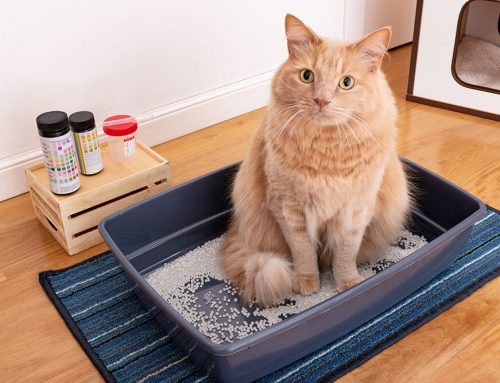
Dilute urine and protein leaking through the kidneys often show up before a single kidney value shifts on a blood panel, which is what makes urinalysis worth running alongside the chemistry every time. That same sample flags glucose pointing toward diabetes, crystals or blood pointing toward stones, and bacteria pointing toward an infection a stoic older cat would never complain about.
How Do We Screen a Senior Heart Before Symptoms Start?
Heart disease stays quiet for a long stretch in dogs and is close to invisible in cats, who often show nothing until they're in real trouble. Screening starts with the stethoscope at every visit and moves to X-rays or a blood test when a murmur is new, the rhythm sounds irregular, or breathing has changed at home. We may also recommend more screening tests when your pet is a predisposed breed, like a Cavalier or other small breed dog, Doberman, Boxer, or a Maine Coon Cat.
| Screening tool | What it shows | What it's like for your pet |
| Chest X-rays | Fluid in the lungs and an enlarged cardiac silhouette | A couple of minutes on the table, no sedation for most |
| NT-proBNP blood test | A marker released when heart muscle is under stretch | Part of the same blood draw |
| ECG | The electrical rhythm, beat by beat | Small clips on the skin, nothing painful |
The most detailed look comes from an ultrasound of the heart. An echocardiogram uses sound waves to watch the valves open and close and to measure how well each chamber fills and squeezes, no anesthesia required. We may refer these to a veterinary cardiologist, depending on your pet’s condition.
What we're watching for depends on who's on the table. Small-breed dogs are prone to mitral valve disease, where a leaky valve gradually lets blood wash backward. Large breeds are the ones who develop dilated cardiomyopathy, a weakening of the muscle itself. Cats get hypertrophic cardiomyopathy, a thickening of the walls that can go from silent to serious fast. None of these have a cure, but medication started early can buy good years, and knowing about a murmur before a surgical procedure changes how we plan anesthesia.
When Does Screening Move on to X-Rays or Ultrasound?
Imaging gets added when the exam or the lab work raises a question blood can't answer. A belly that feels fuller than it should, weight loss with a clean panel, a cough, or a back end that's gone stiff all point toward imaging, and a known breed risk sometimes justifies a baseline set while your pet is still well.
Radiography is usually the first look, mapping heart size, lung fields, the outlines of the abdominal organs, and the arthritic changes in a hip or spine that a stoic senior has been hiding. It's fast, and most patients need nothing more than a gentle hold.
Where an X-ray shows silhouettes, ultrasound shows the inside of the organ itself, which is how a small mass on a spleen or a change in kidney architecture gets found while there are still options. There's no radiation involved, and the worst of it is usually a shaved patch and a few quiet minutes on a padded table.
Which Conditions Are We Watching For in Older Dogs and Cats?
Thyroid disease, kidney decline, heart disease, arthritis, dental infection, and cancer account for most of what senior screening turns up, and nearly all of them go better when a test finds them before you do.
Thyroid Disease in Dogs and Cats
Weight gain on the same amount of food, a coat that thins and dulls, and a dog who would rather stay on the rug all afternoon read like old age, but they are also the classic picture of hypothyroidism, which one blood test confirms and one daily tablet corrects. Cats run the opposite direction with hyperthyroidism, dropping weight while eating everything in sight, and the strain that overdrive puts on the heart and kidneys is why treatment ranges from daily medication to a prescription diet to radioiodine that cures it outright. Radioiodine is done at a licensed treatment center, and we arrange that referral. Middle-of-the-night yowling and a suddenly unkempt coat are worth mentioning at the visit.
Chronic Kidney Disease
Chronic kidney disease is already well along by the time a pet starts drinking more and losing weight, since roughly two-thirds of kidney function is gone before those signs appear. It's the most common serious diagnosis in older cats and it shows up in plenty of dogs too. Nothing rebuilds what's lost, but this one responds beautifully to management: a therapeutic diet, fluids under the skin at home when that day comes, phosphate binders, blood pressure control, and monitoring that follows the numbers. Our veterinary team builds the schedule around your pet's stage instead of a generic calendar.
Cancer and New Lumps
Cancer in older pets takes many forms, from a lump under the skin to a mass on the spleen that nothing short of imaging would find, and the ones caught while they are still small and local leave the most treatment options open. Most bumps we check on gray-muzzled dogs turn out to be benign fatty deposits. The ones worth calling about grow quickly, feel anchored to the tissue underneath, change color or texture, or bleed. A fine needle aspirate gives us cells to examine, and radiographs or a scan of the abdomen tell us whether anything has traveled. Breed matters: Golden Retrievers and Labradors see more lymphoma and hemangiosarcoma, and the tall breeds carry higher osteosarcoma risk.
Liver Disease
Liver trouble rarely shows major symptoms early. Enzyme elevations on a routine panel usually appear long before the appetite drops, the vomiting starts, or the whites of the eyes take on a yellow cast. A mild rise sometimes means nothing more than an older organ working harder, and sometimes it's the opening sign of an infection, a drug reaction, an endocrine problem, or a tumor. That's why the follow-up matters: repeat blood work, occasionally bile acid testing, and imaging to look at the structure itself. Treatment follows the cause, and many senior pets do well on a supportive diet with medication.
Arthritis and Joint Pain
Dogs advertise sore joints once you know the tells: slow to rise, lagging behind on a river walk, hesitating at the tailgate. Cats are quieter about it, so watch for one who stopped jumping to the counter or started missing the edge of the litter box. Diagnosis comes from watching your pet move, hands-on joint checks, and X-rays. Management stacks small things: keeping weight down, rugs on slick floors, joint supplements and omega-3s, anti-inflammatory medication, gabapentin for the rough days, and a monthly injection that blocks the pain signal itself. Never give a dog or cat human pain relievers such as ibuprofen, naproxen, or acetaminophen, which cause stomach ulcers, kidney failure, and worse even in small doses. Laser therapy gives sore hips and elbows a drug-free option, using light energy to calm inflammation over a series of short sessions that need no sedation. We also offer acupuncture and chiropractic care, which many stiff older patients enjoy and experience significant pain relief with regular sessions.
Dental Disease
By the time a dog or cat is a senior, the odds are high that something painful is going on below the gums, and that smell when they yawn is often the first clue. Bacteria under inflamed tissue doesn't stay in the mouth. It seeds the bloodstream and adds a load the heart, liver, and kidneys don't need. Professional dental cleanings under anesthesia are the only way to clean below the gumline and take dental X-rays, which is where most of the hidden trouble sits. Pre-anesthetic blood work is part of the safety check and doubles as screening for a senior. At home, brushing is the gold standard, with dental diets, water additives, and approved chews as backup.
Your Senior Screening Questions, Answered
Is Slowing Down Just Old Age?
Slowing down can be plain aging, and it can also be arthritis, an underactive thyroid, a heart that isn't moving blood the way it used to, or cognitive decline that shows up as night pacing and confusion. Age is a risk factor, not a diagnosis. The way to tell is to check: an exam, a blood panel, and a look at how your pet moves will usually sort a normal gray-muzzle slowdown from something treatable. Families are often surprised how much bounce comes back once a real problem gets addressed.
Does My Pet Need to Fast Before Senior Blood Work?
Ask us first; it’s not always needed. Most senior panels read more cleanly after a short overnight fast, with water still available, because a recent meal can cloud glucose and fat values. If your dog or cat takes medication with food, keep giving it unless we've told you otherwise, and diabetic patients follow their own instructions rather than a general rule. Give us a call ahead of time if you're not sure.
Is Anesthesia Safe for an Older Pet?
Age by itself isn't a reason to skip a procedure. What matters is how the organs are working, and pre-anesthetic blood work plus a look at the chest tells us a great deal before we make that call. Protocols get tailored for seniors with gentler drug choices, IV fluids, warming, and close monitoring throughout. It's also worth weighing the other side: an infected, painful mouth left alone carries a risk that keeps growing, while the anesthetic risk is one we can plan for and watch.
Senior Care for Livingston's Older Dogs and Cats
A dog who used to lead the way up the trail above town and now waits by the truck is telling you something, and so is a cat who has quietly stopped taking the high route through the house. Those small changes deserve a phone call rather than a wait-and-see. At Livingston Veterinary Hospital, we would much rather find the manageable version of a problem at a routine visit than meet the advanced version on a hard morning.
If you've noticed something at home, reach out and tell us what you're seeing. When your dog or cat is due, book a senior screening visit and we'll start with what matters most for them.